 Kerala, India
Japanese Quail also known as Coturnix Quail
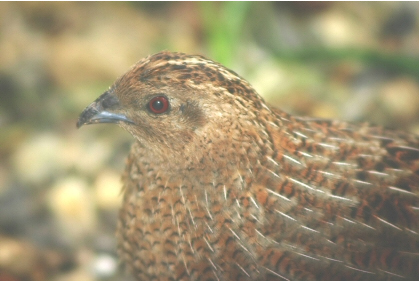
Raising Coturnix or Japanese quail can be a delight, their space requirements are small, they don’t eat a lot, convert feed into protein efficiently, and are much more friendly creatures than even the sociable chicken.
Key Production Facts
-
Incubation period: 17 days
-
Incubator settings: Forced air incubators temperature 99º to 100ºF with a humidity level of 60%
-
Maturity: Six weeks with an average weight of 5-6 oz
-
Egg production begins: Seven weeks old
-
Slaughter weight: 7-8 oz
Housing and Predator Protection
When scared, quail tend to fly straight up and can gain enough speed to break their necks when they hit the top of the cage. Remember that raccoons are very good at invading pens to kill and eat your birds and eggs. So when raising quail you must design and make your cages or coops predator safe.
Special care must be taken to protect the quail from cold drafts, food and water shortage, and dampness. These type of conditions can cause your birds to become stressed and piling could occur. You will find your chicks in a large piles dying. It is a natural reaction and can cost a quail breeder a lot of birds.
Brooding Management
During the brooding process of raising these quail change the paper and clean the wire daily for best success. Keep the quail in the brooder until fully feathered and reduce heat by 5 degrees weekly. Continue to protect quail chicks from draft and food/water shortages, and feed starter until week six. After the quail are fully feathered they can be sexed and moved to their final cage. Reducing height will eliminate broken necks in the quail.
Behavior and Egg Collection
Like most birds, Coturnix like to take dust baths in hot weather. The Coturnix Quail eggs should be gathered daily, in hot weather as much as 2 to 3 times per day, to assure freshness. The coturnix appears to be susceptible to most of the diseases that affect domestic poultry and, therefore, raise your Coturnix quail separate from chickens and turkeys.
Egg Management and Breeding
Eggs when gathered are kept at controlled temperature turned twice daily. When you encounter quail eggs in a restaurant, this is the bird usually responsible. If you are going to keep your own eggs to hatch for replacement birds, it is a good idea to get a few males from another source so that inbreeding does not occur. Raising your quail on wire above the ground will make it less likely that the quail will be standing in manure and this will also help the eggs remain clean.
Sexual Identification
The Adult Male Coturnix
The Adult Male Coturnix weighs about 100 to 140 grams (3 1/2 to 5 ounces). The male birds can be identified readily by the rusty brown colored feathers on the upper throat and lower breast region. Males also have a cloacal gland, a bulbous structure located at the upper edge of the vent which secretes a white, foamy material. This unique gland can be used to assess the reproductive fitness of the males. The young birds begin to crow at 5 to 6 weeks old. During the height of the normal breeding season, coturnix males will crow throughout the night.
The Adult Female Coturnix
Coturnix females are slightly heavier than the male, weighing from 120 to 160 grams (4 to 5 1/2 ounces). The body coloration of the female bird is similar to the male except that the feathers on the throat and upper breast are long, pointed, and much lighter cinnamon. Also, the light tan breast feathers are characteristically black-stippled.