 Kerala, India
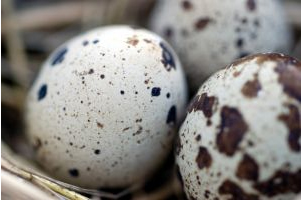
Begin raising quail by incubating quail eggs in an incubator and brooding the baby quail. Hatching and brooding your own quail can be an enjoyable and rewarding experience. You can hatch and brood any variety of quail, though one of the most popular approaches is hatching and brooding Bobwhite quail.
Things You'll Need to Brood Quail:
Fertile quail eggs (acquired from a reputable quail breeder); an incubator; and a brooder lamp for brooding the young quail.
Configure the incubator humidity and incubator temperature to prepare the egg incubator for hatching quail eggs. Follow the instruction manual that accompanied the egg incubator to learn how to adjust its humidity and temperature settings.
The optimal humidity for hatching quail eggs is 70% humidity while you are incubating the quail eggs. After the quail eggs hatch, adjust the humidity to 80%. The temperature of the incubator should be maintained at approximately 100 degrees Fahrenheit.
Place the fertile quail eggs into the egg incubator with the small end of the quail egg oriented in a downward direction. Some incubators feature automated egg turning mechanisms. If you are not utilizing a mechanical egg turner, turn the eggs manually at 30-degree intervals.
Turning quail eggs while incubating them is crucial because it helps to prevent the quail egg embryos from adhering and developing attached to the side of the fertile quail egg.
How Long Does It Take to Hatch Quail Eggs?
The duration of time to hatch fertile quail eggs depends primarily upon the species of quail that you are hatching. For example, fertile Bobwhite quail eggs require 24 days to hatch.
Brooding Baby Quail:
Baby quail must be positioned into a brooder to keep them warm after they hatch. In nature, the mother quail would maintain the baby quail’s warmth. If you’ve utilized an incubator, you must employ an artificial method of heating. A standard heat lamp (100-watt) used for brooding chicks (baby chickens) is adequate for brooding quail. Maintain the temperature at 100 degrees Fahrenheit and reduce the brooding temperature by five degrees every seven days.